5 Signs It Is Time to Hire Book Publishing Experts

Finishing a manuscript is a major milestone. Turning that manuscript into a polished, distributed, reader-ready book is a different discipline.
Independent publishing involves editing, design, metadata, ISBN decisions, formatting, distribution, pricing, and launch planning. Each step affects how readers, retailers, libraries, and reviewers respond to the finished book. If the process now feels heavier than the writing itself, that may be the clearest signal to hire book publishing experts.

1. You are stuck after the final draft
A finished draft still needs a publishing path. Many authors pause here because the next steps are technical and unfamiliar.
Common questions include:
Does the manuscript need developmental editing, line editing, or proofreading?
What trim size fits the genre?
How should the interior be formatted for print and digital reading?
What metadata helps readers find the book?
Which distribution route supports the author’s goals?
These are not minor details. Metadata, categories, keywords, and book descriptions help retailers understand where to place a book. Interior formatting affects readability. Cover specifications affect print approval.
A publishing expert turns these separate tasks into a clear sequence. That removes guesswork and prevents costly rework later.
Practical sign: If weeks have passed and the manuscript has not moved forward, the problem may not be motivation. It may be the absence of a professional publishing plan.
2. You know the manuscript needs editing, but you do not know what kind
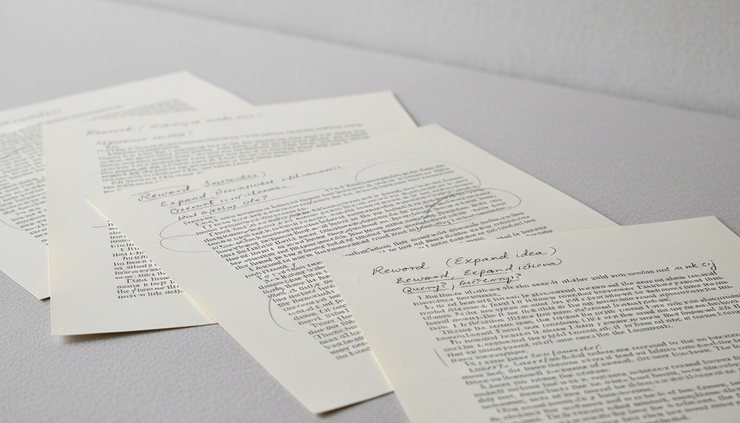
Editing is one of the most important investments in a book’s success. Readers notice weak structure, unclear sentences, continuity issues, and errors. Reviewers do too.
Professional editing is not one service. It can include:
Developmental editing for structure, pacing, and argument
Line editing for style, rhythm, and clarity
Copyediting for grammar, consistency, and accuracy
Proofreading for final errors before publication
Many authors skip steps because they do not know the difference. Others over-edit the same pages without improving the book’s market readiness.
This is where professional book editing services can protect both the manuscript and the author’s time. A skilled publishing team can identify the right editorial level, explain why it matters, and preserve the author’s voice while improving the reader experience.
3. Book design and formatting feel more technical than creative
A book must look professional before a reader trusts it. That includes the cover, spine, back cover, title page, chapter openings, margins, page numbers, and digital file behavior.
Print and digital editions also have different requirements. A file that looks fine on one screen can break on another. A cover that looks attractive as a full-size image may fail as a small thumbnail. A print layout with poor margins can make the book hard to read.
Publishing experts understand these production standards. They can prepare files that meet retailer and printer requirements, while still supporting the tone and genre of the book.
For example, a memoir often needs a different visual approach than a business book. A children’s book requires careful attention to color, image placement, and page flow. A novel needs clean typography that lets the story lead.
Practical sign: If formatting videos, file templates, and upload errors are taking over the process, outside help can restore momentum.
4. You are unsure how to publish beyond simply uploading a file
Publishing is not just uploading. A strong release needs distribution planning, retail positioning, pricing decisions, book descriptions, author materials, and quality checks.
A New York self-publishing agency or nationwide publishing team can help authors understand what happens before and after release. That includes print and digital preparation, global distribution options, and the details that shape discoverability.
The U.S. Copyright Office, retailer publishing guidelines, and industry metadata standards all point to the same reality: books need accurate information attached to them. Title, subtitle, contributor names, genre, description, keywords, and ISBN use all matter.
Mistakes in these areas can create confusion. A book may appear in the wrong category. A description may fail to connect with the intended reader. An author name may not display consistently across editions.
Publishing experts reduce these risks by building the book’s foundation correctly from the start.

5. You want control, but not isolation
Many independent authors choose self-publishing because they want ownership. That is a valid goal. The right experts do not take away creative control. They help protect it.
Creative vision still belongs to the author. A professional team supports that vision with technical skill, market knowledge, and production discipline.
This matters because isolation can lead to rushed choices. Authors may approve a cover too soon, miss proofreading errors, choose unclear categories, or publish before the book is ready. Expert support adds a second layer of judgment before the work reaches the public.
A good publishing partner should explain options in plain language. They should respect the author’s goals and provide a clear path from manuscript to marketplace.
Practical sign: If the desire to stay independent has turned into doing every task alone, it is time to get support without giving up ownership.
FAQ
Do independent authors lose creative control when working with publishing experts?
No. A reputable publishing team supports the author’s goals. The author should still approve major creative decisions, including edits, cover direction, and final files.
When should an author bring in publishing experts?
The best time is after the manuscript is complete and before final formatting or public release. This allows enough time for editing, design, metadata, and distribution planning.
Are editing and proofreading the same thing?
No. Editing improves the manuscript’s structure, clarity, flow, and consistency. Proofreading catches final errors after the book is nearly ready for publication.
Can publishing experts help with global distribution?
Yes. Experienced teams can prepare files and metadata for wider distribution routes, including print and digital channels that reach readers beyond one region.

Take the next step with confidence
A completed manuscript deserves more than trial and error. It deserves careful editing, strong design, accurate setup, and a publishing plan that serves the author’s long-term goals.
Stop trying to do it all yourself. Keep your creative vision intact, while letting experienced professionals handle the technical path to publication. To move from finished manuscript to global success, reach out to the team at NexGen Publishing Hub and take the next step with confidence.



Comments